What a General Dentist Wishes People Understood About At-Home Brushing and Flossing
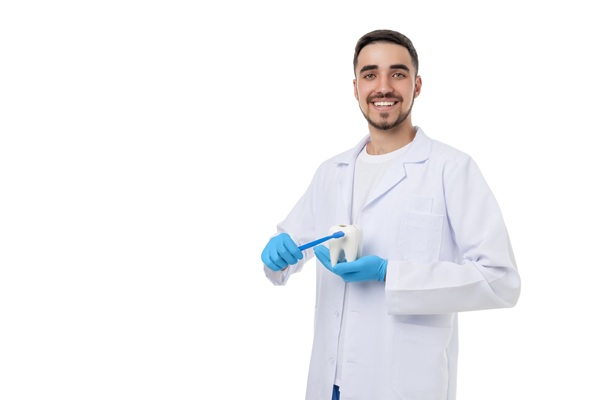
A general dentist often sees how daily brushing and flossing habits shape long-term oral health between routine dental visits. Professional cleanings are important, but home care helps control plaque every day. A stronger routine can help protect enamel, gum tissue, breath, and overall comfort. Here are some tips from a general dentist to help strengthen your routine.
What a general dentist wants patients to know about brushing
Brushing should clean the teeth without harming the gums. Too much pressure can irritate gum tissue and contribute to enamel wear over time. Therefore, general dentists often recommend using a soft-bristled toothbrush, gentle pressure, and small circular motions to clean the teeth more safely. Brushing for two full minutes gives each area of the mouth enough attention.
The gumline needs just as much attention as the teeth. However, the gums require special care because plaque often collects where the teeth and gums meet. Brushing only the front surfaces can leave buildup along the back teeth and inner surfaces. Toothpaste with fluoride can also help strengthen enamel and lower the risk of cavities. Note that, in the end, consistency matters more than aggressive brushing.
Why flossing still matters
While brushing is crucial, a toothbrush cannot fully clean between teeth. Floss or another interdental cleaner helps remove plaque and food particles from tight spaces. These areas can develop cavities or gum inflammation when plaque remains undisturbed. Daily cleaning between teeth supports fresher breath and healthier gums.
During an appointment, when the general dentist can better assess each patient's unique needs, they may recommend flossing, flosspicks, interdental brushes, or a water flosser. While tool recommendations vary, the best is one that patients can use correctly and consistently. Proper technique helps clean the space without causing soreness.
Common home care mistakes
Small daily habits can make a big difference in oral health. For example, some patients brush too quickly, skip the gumline, or forget the back molars. Others floss only when food feels stuck, even though plaque can build up without obvious discomfort. Home care is most effective when it becomes part of a steady morning and evening routine.
These steps support cleaner teeth and healthier gums between dental visits. The general dentist can also point out areas where plaque tends to collect. This guidance aims to help patients adjust their routine before small issues become larger concerns.
Timing and mouthwash tips
Timing can also affect how well brushing protects enamel. After acidic foods or drinks, enamel can become more vulnerable for a short period. General dentists, and often their hygienists, recommend waiting before brushing to give saliva time to help neutralize acids. Rinsing with water after acidic drinks can also help clear the mouth before brushing later.
Further, mouthwash can support a home care routine, but it should not replace brushing or flossing. Note that alcohol-free options may be better for patients who struggle with dry mouth. During routine appointments, the general dentist may recommend a concentrated fluoride treatment to help patients who need extra cavity protection. They will recommend all treatments, whether home care or professional care, based on enamel strength, cavity risk, gum health, and comfort.
Schedule an appointment
At-home brushing and flossing protect oral health best when they work alongside routine dental care. Our general dentist can evaluate home care habits, remove tartar, check the gums, and identify early signs of decay. Call our office for more information or to schedule an appointment.
Request an appointment here: https://douglasvilledentalassociates.com or call Douglasville Dental Associates at (770) 746-8683 for an appointment in our Douglasville office.
Check out what others are saying about our dental services on Google: General Dentist in Douglasville, GA.
Related Posts
Gaps in a smile can make everyday tasks like eating or talking uncomfortable. Fortunately, dental bridges remain a reliable dental restoration to replace missing teeth and restore your everyday chewing function. This guide provides the information you need about the four types of dental bridges and helps you choose the right option for your unique…
Having a root canal treatment can help you regain your dental health. Most people are not aware of their need for this procedure. You may be one of those who dismiss some symptoms because of your busy schedule. If you want to know about the symptoms indicating your need for root canal treatment, here are…
A root canal treatment is an optimal way to restore your tooth. It is also an effective way to protect your tooth. Dental damage can result from an injury or decay. Tooth extraction is an easy solution but keeping your natural tooth structure is healthier. If you want to know how a root canal treatment…
Dental professionals use a root canal treatment to stop tooth decay from getting worse and treat the effects of tooth decay. While reversing tooth decay is not possible, root canal treatment can often restore the appearance, shape, and overall health of a tooth that is damaged by a severe cavity.While minor cavities may only need…